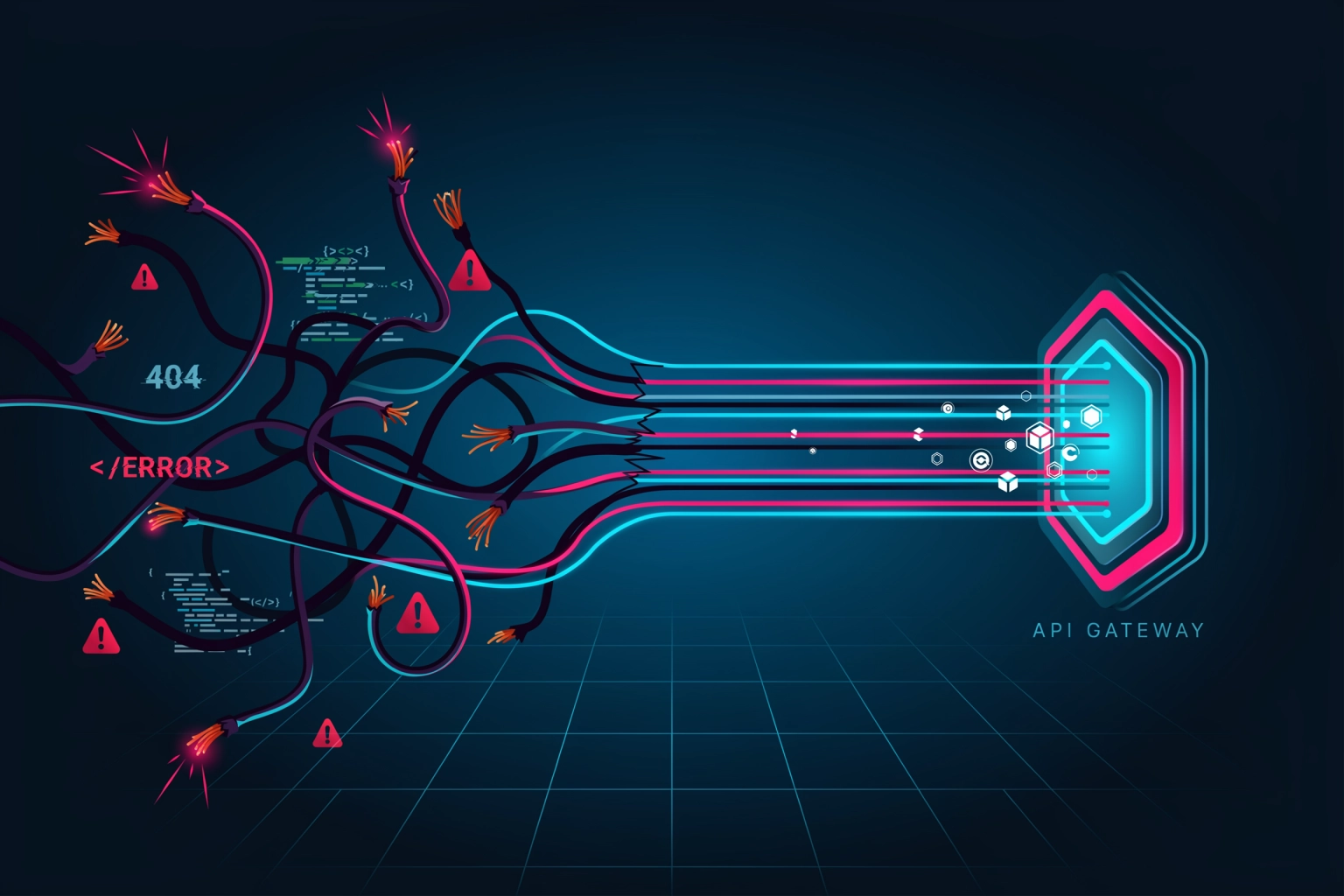

A friend of mine spent three months building an internal tool that tracked engagement trends across a few hundred Instagram accounts for his agency’s clients. It worked. Then, over one weekend, Instagram rolled out a change to how it serves post data to non-authenticated sessions, and his tool’s error logs went from “occasional timeout” to “nothing works, at all, for anyone.” He didn’t get an email. There was no changelog. He just had to notice, diagnose, and rebuild, on his own time, because the platform he depended on owes him nothing.
This isn’t a story about bad code. It’s a story about a business model that was broken from the start, and it plays out constantly in every corner of the “let’s scrape it ourselves” world.
The math nobody runs upfront
When a scraping project starts, the pitch is always the same: it’s free, we control it, we’re not paying anyone. That’s true on day one. It stops being true almost immediately once you account for what actually goes into keeping unofficial data collection alive:
- Someone has to notice when it breaks. Usually that someone is a customer complaining, not a monitoring dashboard, because scrapers fail silently far more often than they fail loudly.
- Someone has to diagnose why. Was it a layout change? A new anti-bot check? A proxy that got blacklisted? Debugging scraped data failures is closer to detective work than engineering.
- Someone has to fix it, under time pressure, usually the same week a client is asking why their dashboard looks empty.
- Someone has to keep doing all of the above indefinitely, because platforms don’t stop changing.
Add up the engineering hours across a year and the “free” option is often the most expensive one on the table — it’s just that the cost is hidden in opportunity cost and stress instead of an invoice.
What you’re actually paying for when you use an API instead
The case for a managed data API isn’t “convenience” in the vague sense people usually mean it. It’s specific: you’re outsourcing the part of the job that has nothing to do with your product.
Maintaining reliable access to TikTok, Instagram, YouTube, and similar platforms at scale requires constant infrastructure work — watching for layout and API changes, managing request signing, running proxy rotation, and handling the platform-side defenses built to stop exactly this kind of access. EnsembleData does that maintenance as its core product, which means when TikTok changes something on a Tuesday, that’s their engineering team’s Tuesday, not yours.
Practically, that turns into a single documented REST endpoint per data type instead of a fragile pipeline you own end to end:
const params = new URLSearchParams({
  name: "matcha recipe",
  cursor: "0",
  period: "30",
  token: "YOUR-TOKEN-HERE",
});

const res = await fetch(
  `https://ensembledata.com/apis/tt/keyword/search?${params}`
);
const data = await res.json();
Same request shape whether you’re pulling TikTok hashtag search, Instagram user posts, or YouTube channel data — one auth pattern, one pagination pattern (a cursor value passed forward through each response), one place to look when something doesn’t return what you expect.
The build-vs-buy question, answered honestly
There’s a version of this that’s genuinely worth building in-house: if scraping infrastructure is your product, if you’re selling access to that pipeline itself, own the whole stack. That’s a real business.
But most teams reaching for a scraper aren’t in that business. They’re building a creator analytics dashboard, a trend-spotting tool, a competitive research feature, a content recommendation engine — and the data pull is step one of a much longer pipeline, not the product itself. For that group, the honest comparison isn’t “free scraper vs. paid API.” It’s “unpredictable maintenance burden with a bus factor of one person vs. a documented, versioned, monitored API with a support team behind it.”
Once you frame it that way, three months of “internal tool” starts looking a lot less like ownership and a lot more like unpaid, unplanned maintenance work that happens to also live in your codebase.
Worth checking before you build the scraper
If you’re at the point of deciding whether to write the first line of a scraper or just call an API, it’s worth seeing what the second option actually looks like before committing engineering time to the first. The full endpoint list, authentication details, and request examples across TikTok, Instagram, YouTube, Reddit, Twitch, and more are laid out in EnsembleData’s API documentation — a reasonable ten minutes to spend before signing up for a maintenance job you didn’t mean to take.