
Keeping your trees healthy takes more than a hose and the occasional glance for bugs. If you actually want your canopy to hold up year after year — structurally sound, not just green — timing matters more than most people realize.
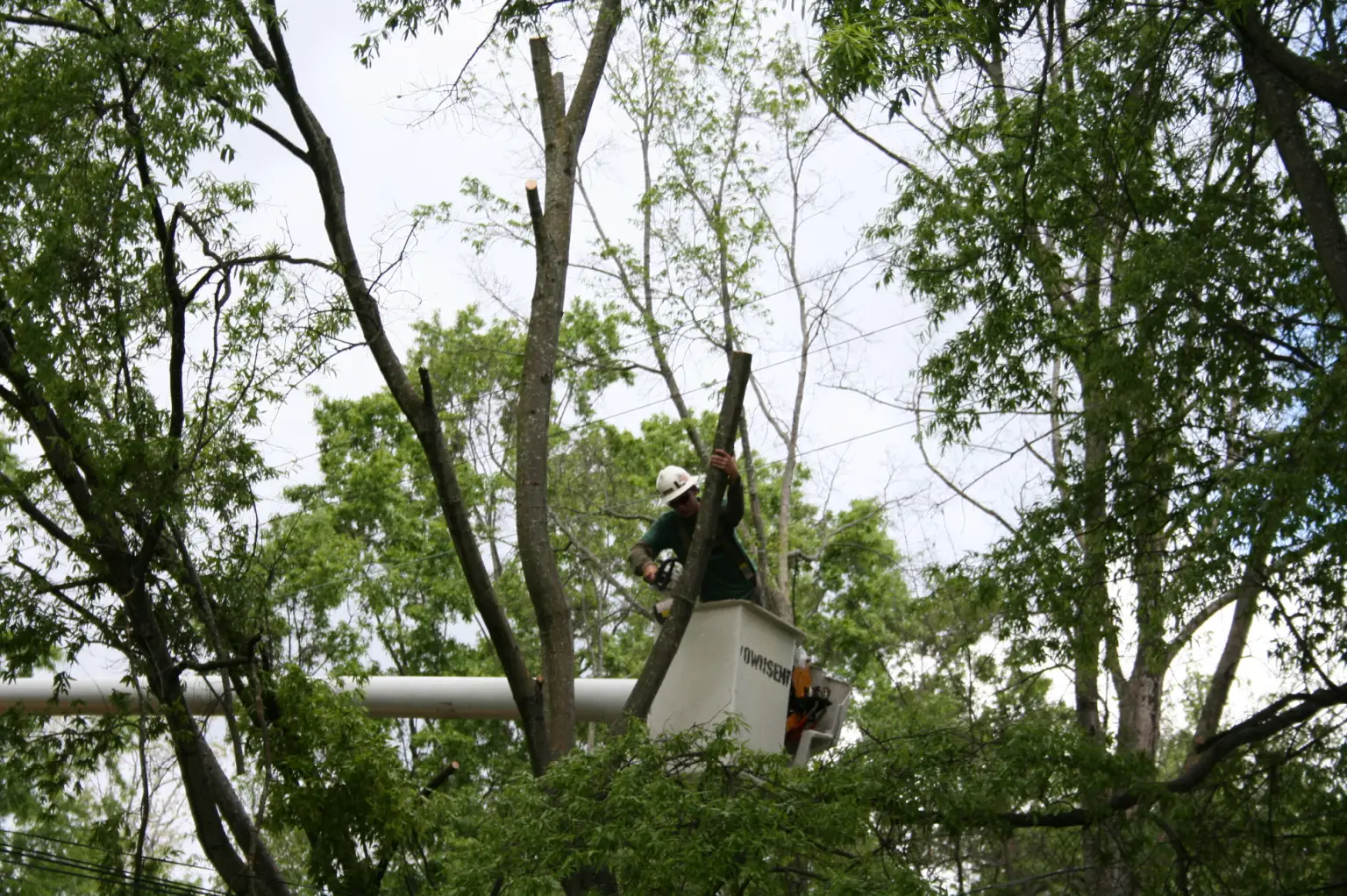
That’s why a lot of homeowners end up calling in professional Portland tree trimming services rather than guessing at it themselves. Line your pruning up with the tree’s natural growth cycle, and you get stronger growth with a lot less risk of stress or breakage down the line.
| Featured Snippet The best time for tree trimming is generally during the late winter dormant season, right before spring growth begins. Pruning during this window minimizes sap loss, reduces the risk of pest infestations or disease transmission, and allows the tree to heal rapidly as soon as warmer weather triggers new growth. |
When Is the Best Time to Trim Trees?
The time between winter and spring is the best time to take care of most trees because the tree isn’t growing, so it doesn’t have extra stress, and there’s not much sap flowing. Also, as spring begins, the tree can focus all its energy on healing.
Why does timing matter so much?
Cut during active growth and you’re pulling the tree away from its own nutrient storage — not ideal. Worse, a fresh wound made at the wrong time of year is basically an open door for fungal spores and insects, both of which are far more active outside the dormant months. Prune at the right time, though, and the branch collar seals up the way it’s supposed to.
Species-Specific Considerations
Climate and specific tree families dictate unique pruning seasons. Certain oaks, for example, should never be cut in late spring — that’s exactly when disease spreads fastest. Early bloomers, meanwhile, need to be trimmed after they’ve flowered, not before.
Tree Trimming by Season
Dormant-season pruning is the general rule, but each season brings its own trade-offs. Knowing what those are helps you plan around storm risk, growth patterns, and whatever else your particular trees throw at you.
Winter
Good visibility makes it easier to see the tree’s structure, and there’s minimal shock to the plant. Most deciduous trees — maples, oaks — do well here. One catch: if it gets seriously cold, freshly cut wood can crack.
Spring
This is the sweet spot for shaping spring-flowering trees, but only right after the blooms fade. Cut too early, while the tree’s leafing out, and you risk draining its energy and drawing in sap-feeding beetles. It’s also a decent time to clear out deadwood left behind from winter storms.
Summer
Mostly used to slow down trees that are growing a little too aggressively — crown reduction, essentially. It also helps prepare for storm season by thinning overgrown canopies so wind can pass through instead of catching on everything. Fruit trees benefit too; thinning a crowded canopy lets more light reach the branches underneath.
Fall
Honestly, best to hold off. Fall is when fungal spores are most active, and a fresh cut is an invitation. The exception is anything hazardous — broken limbs, storm damage, that sort of emergency work shouldn’t wait for a “better” season.
How Different Species Change the Schedule
Not all trees heal the same way, and pruning them on the same calendar doesn’t work. Whether you’re dealing with something deciduous, evergreen, or fruit-bearing changes everything about when to cut.
| Tree Type | Best Window | Main Goal |
| Deciduous | Late Winter (Dormancy) | Structural clarity & vigor |
| Evergreen | Late Spring / Early Summer | Controlling size & density |
| Flowering | Post-Bloom | Maximizing next year’s blossoms |
| Fruit Trees | Late Winter / Early Spring | Fruit yield & airflow |
Deciduous trees — maples, oaks, and the like — do best with dormant-season pruning. No leaves in the way means an arborist can actually spot weak crotches and crossing branches instead of guessing.
Evergreens rarely need heavy thinning. Late spring works well here; it manages size without slowing new growth.
Flowering trees that bloom on old wood need to be cut right after they flower — not before. Prune in winter and you’re removing the very buds meant to bloom next spring.
Fruit trees — apple, pear, peach — need structural pruning every year, ideally in late winter. Opening up the canopy lets sunlight in, which translates directly to better fruit.
Signs Your Tree Needs Trimming Right Now
Some things can’t wait for the “right” season. If a branch is a genuine safety risk or shows real structural damage, get it looked at immediately — don’t sit on it just because it’s the wrong month.
- Dead branches. They can snap and fall with zero warning, and they will eventually.
- Diseased limbs. Cut these out fast, before rot works its way toward the trunk.
- Storm damage. Fractured limbs need a clean cut to heal properly — jagged breaks won’t seal right on their own.
- Crossing branches. Two limbs rubbing together wear each other down and open the door for insects.
- Anything near power lines or a sidewalk. Low branches in these spots aren’t a maintenance issue — they’re a safety issue.
Why Hire a Professional
Good tree pruning does not only help in cleaning; it helps preserve the integrity of the tree structure and its health, as well as the value of your property. Certified arborists understand how to make those riskier cuts and ensure that their work meets the required standards in order for the tree to stay healthy even after they are gone.
Portland treet rimming services staffed by ISA-certified arborists bring something DIY just can’t match: familiarity with local conditions and long-term techniques like crown reduction and deadwood removal done right. It’s not just about avoiding a bad fall off a ladder — it’s about not accidentally damaging a tree you can’t get back.
Mistakes Worth Avoiding
A bad cut doesn’t just look rough — it can genuinely shorten a tree’s life, sometimes permanently. A few things to steer clear of:
- Topping: Chopping off the top of a tree sounds simple but creates weak, unstable regrowth that’s more dangerous than what you started with.
- Flush cuts: Cutting too close to the trunk damages the branch collar and stops the wound from closing properly.
- Leaving stubs: A long stub won’t seal over, which just invites rot in through the back door.
- Over-thinning: Take off more than about a quarter of the canopy and you’re starving the tree of the leaves it needs to actually function.
FAQ
Can trees be trimmed year-round? Light stuff, sure — snipping off a small dead branch here and there is fine anytime. Bigger structural work, though, should wait for the right seasonal window.
Which trees shouldn’t be trimmed in spring? Oaks and elms, mainly. Cutting them in spring or summer opens the door to pests that spread diseases like oak wilt — not worth the risk.
Does trimming actually help against storm damage? It does. Regular thinning and structural pruning cut down wind resistance and get rid of the weak branches most likely to snap in a storm.
How often do mature trees need trimming? Most established trees only need a real inspection and trim every three to five years, give or take, depending on species and how fast they’re growing.
Bottom Line
Pruning during the appropriate season is probably the easiest and the most important thing you can do for your trees. Although late winter dormancy is still the best time for major pruning, there are specific considerations to be made about every individual tree. If the task is too difficult or if the tree is a danger, it is best to consult a certified arborist.