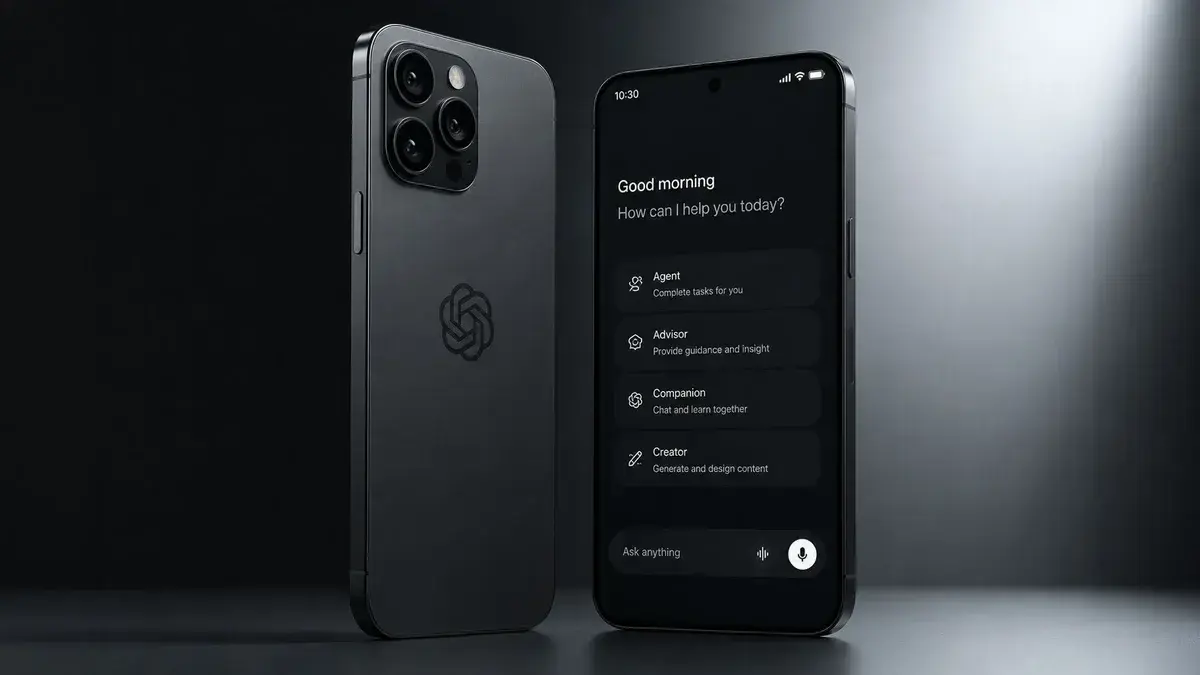

OpenAI spent roughly a year planning a smartphone revolution of sorts. In May 2025, the company announced mysterious hardware that would supposedly differ fundamentally from existing smartphones. Rumors quickly emerged revealing the truth: this “revolutionary” device is actually a smartphone with agent-based AI and a completely redesigned interface. The irony isn’t lost – OpenAI positioned this as something entirely new while essentially building a traditional phone.
Curiosity alone guarantees initial interest. Many people will want to test a ChatGPT phone when it launches. OpenAI essentially has no choice but to create it. Yet I remain convinced this device cannot substantially reshape the smartphone market, regardless of how polished its execution becomes.
OpenAI misread the hardware landscape from the start
When former Apple chief designer Jony Ive and OpenAI CEO Sam Altman announced their collaboration, they declared smartphones obsolete. For an organization leading AI hype, this made strategic sense. For ordinary people, it represented the most absurd statement any tech executive could possibly make.
Smartphones dominate consumer devices absolutely. They’re so integral to daily existence that they’re practically irreplaceable. Banking, government services, communication – smartphones enable everything now. No voice assistant can adequately replace the crucial functions delivered through apps and displays, regardless of AI capability.
AI hasn’t even approached promised capability levels from recent years. I’d happily use ChatGPT for research, creating small applications through Vibe Code, or generating funny images. Yet no AI service reliably hails taxis or navigates apps quickly enough to count as anything beyond novelty. Novelties don’t make smartphones obsolete. Even if AI accelerated dramatically today, becoming genuinely useful would take enormous time.
OpenAI must build this phone anyway
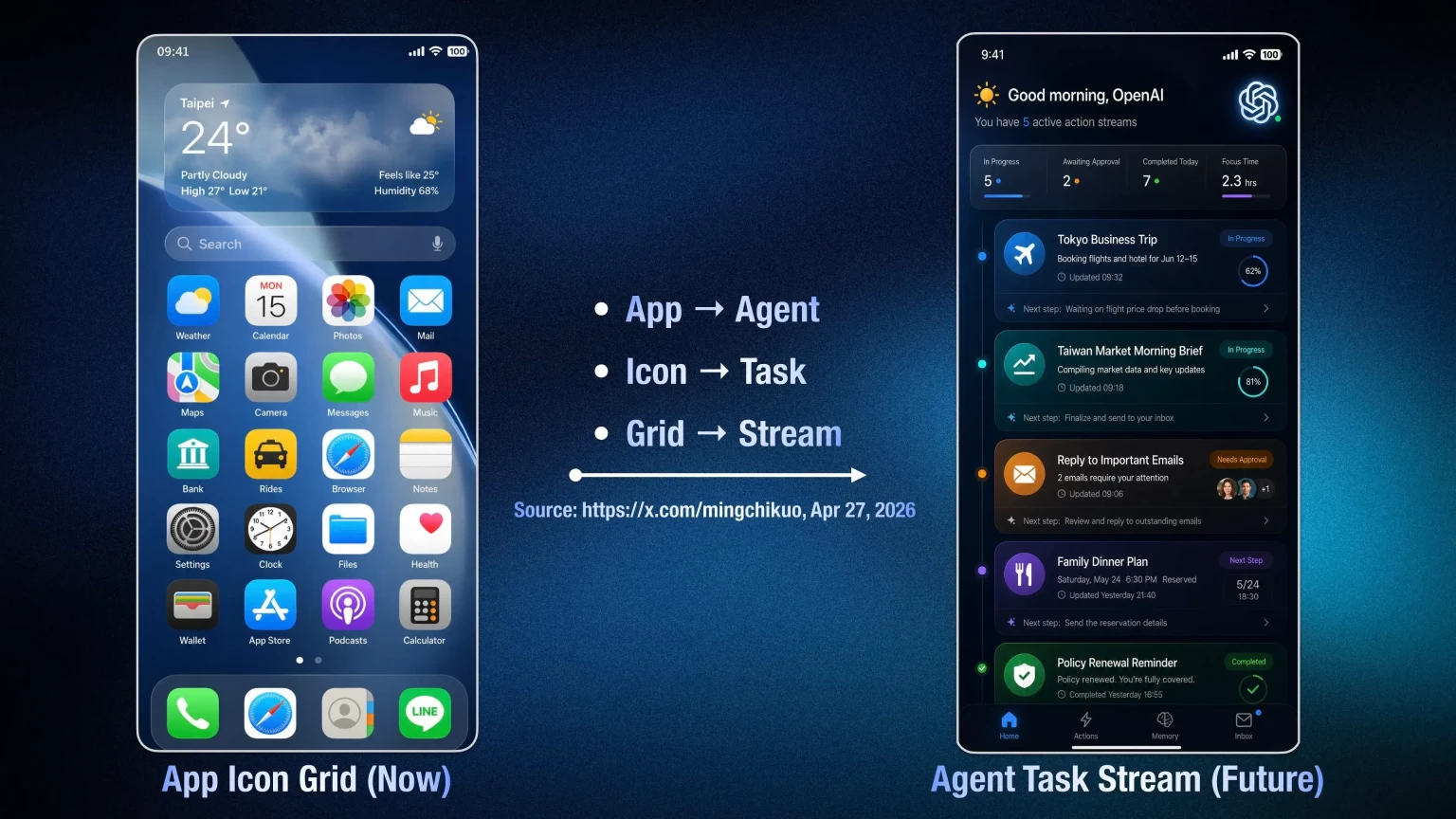
Set aside speculation about AI’s future. Assume it becomes the transformative technology OpenAI claims. The company still needs proprietary hardware to unlock full potential and reach users effectively.
ChatGPT could only replace your smartphone by accessing maximum data about you, your life, your surroundings. No smart pendant, AI pin, or accessory gathers this comprehensively. Your current phone already possesses it. This represents OpenAI’s fundamental obstacle – Apple and Google control smartphone data and share nothing. They won’t change that soon.
Creating a ChatGPT phone becomes OpenAI’s only solution. It’s the sole path to obtaining necessary data and access – enabling useful accessories and expanded functionality. Without proprietary hardware, the company remains perpetually dependent on others’ ecosystems.
The ChatGPT phone faces an insurmountable disadvantage
Breaking into smartphone markets proves extraordinarily difficult. OpenAI will almost certainly fail. Overthrowing iPhone and Galaxy demands something demonstrably superior – something ChatGPT phone won’t deliver.
Chatting with AI entertains users, but Android and iOS already handle this. Users can switch between models freely based on preference. Other promised features don’t match reality, and actual capabilities fall far short of revolutionary. The concept itself barely works today, meaning OpenAI cannot execute the necessary paradigm shift.
Based on compromise thinking, expect something resembling Facebook’s phone rather than an iPhone killer. What ChatGPT phone might accomplish is pushing AI and smartphone boundaries forward, seeding ideas for Apple, Samsung, and others. The result could be improved agent AI on existing iPhones – something benefiting the broader market more than OpenAI specifically, though potentially catalyzing genuine industry transformation.
I appreciate OpenAI’s willingness to attempt something unconventional, even while expecting failure. I’d still test this phone, push its capabilities to limits, and observe how it improves existing devices.