

The landscape of technical education is shifting as WordPress Student Clubs begin to take root globally. These organizations represent a strategic evolution of the WordPress Campus Connect initiative, moving beyond the traditional model of isolated, one – off seminars. What began as a simple introduction to open source software has transformed into a sustainable movement, where student – led groups create dedicated spaces for continuous learning, peer support, and early professional integration within the ecosystem.
The initial objective of the WordPress Campus Connect workshops was straightforward: to introduce university students to the platform and the fundamental values of open source development. For many participants, these sessions provided a first glimpse into how contributing to global software could become a vital part of their educational journey. This exposure frequently sparked an immediate wave of curiosity, leading students to explore the software’s capabilities and the broader community surrounding it.
However, early feedback from these workshops highlighted a critical disconnect. While a single event could ignite interest, it was rarely enough to sustain long – term engagement on its own. Organizers found that while encouraging students to attend local meetups helped bridge the gap, there was a pressing need for something more consistent and closely tied to the daily realities of university life. The enthusiasm generated in a seminar needed a permanent home within the campus environment.
WordPress Student Clubs emerged as a direct response to this necessity for continuity. By establishing a permanent, student – managed presence, these clubs allow for an ongoing exchange of knowledge where members can grow in confidence over time. They serve as a practical bridge, guiding students from their initial curiosity toward meaningful contribution through regular activities and the steady support of a local peer network.
Understanding the Dynamics of Sustainable Student Engagement
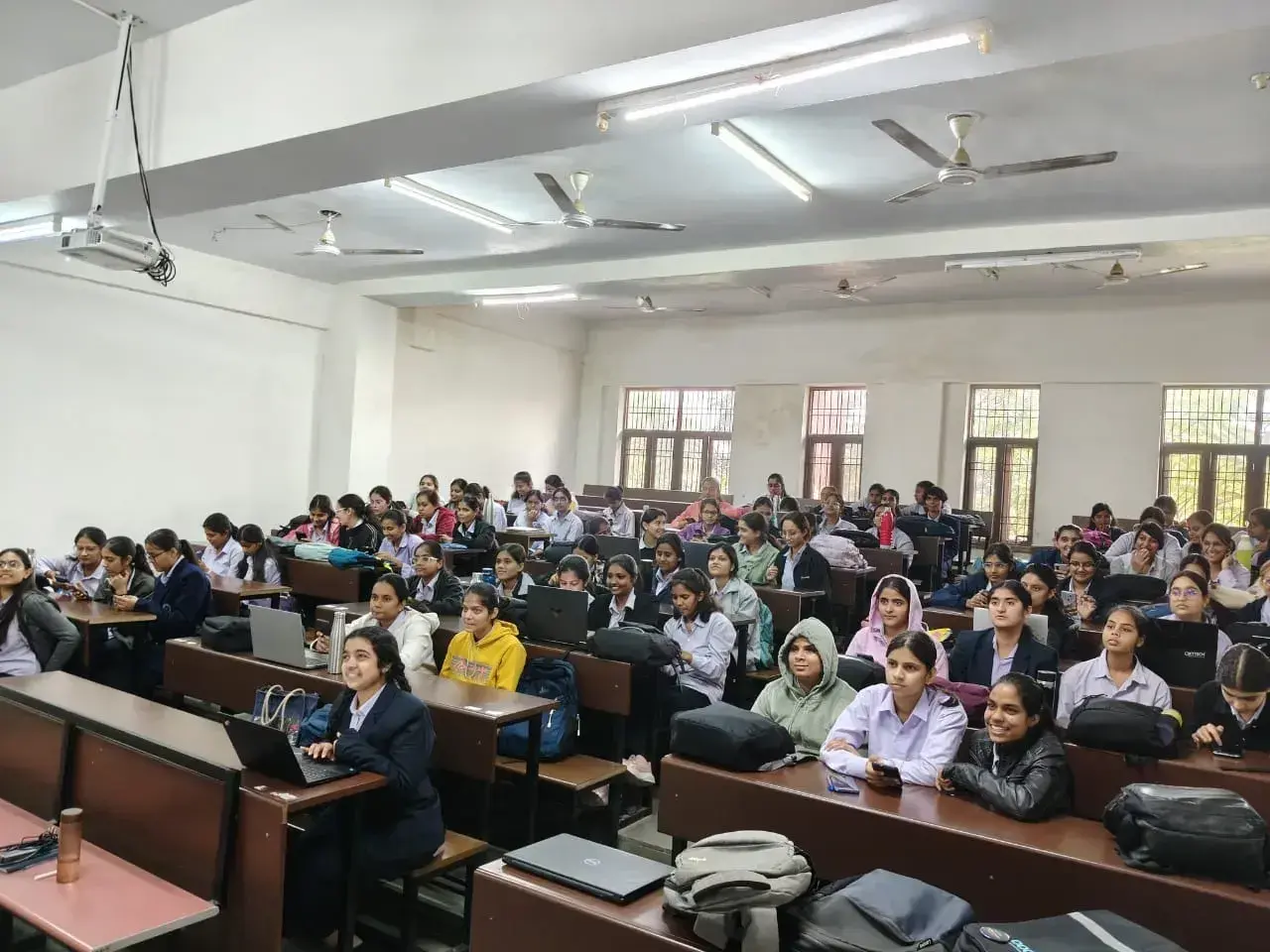
As these clubs began to form, organizers quickly realized that maintaining early momentum was one of their most significant challenges. While the initial workshops often saw high attendance, converting that first burst of energy into a consistent routine required both patience and creative experimentation. Much like any community – driven project, these clubs needed time to find a rhythm that resonated with the busy schedules and interests of the student body.
Consistency emerged as a primary factor in the survival of these groups. Organizers discovered that interest alone was insufficient to guarantee regular attendance; the sessions had to be perceived as both accessible and immediately useful. Participation rates improved significantly when the clubs moved away from traditional lectures in favor of hands – on learning, collaborative exercises, and practical workshops that allowed students to learn by doing.
Another hurdle involved the social dynamics of the classroom. Many students were initially hesitant to participate actively, whether by asking questions or volunteering to lead a session. Building a successful club required the creation of an inclusive environment where students felt comfortable enough to experiment, fail, and eventually take ownership of their own learning process and the club’s direction.
The constraints of the academic calendar also presented a unique layer of complexity for leadership. Because the clubs are entirely student – run, organizers had to remain flexible, balancing their community responsibilities with the heavy demands of exams and assignments. Learning to navigate the natural ebbs and flows of university life became an essential part of the organizational process, shaping how the clubs function today.
Growth Through Consistent and Peer-Led Activities
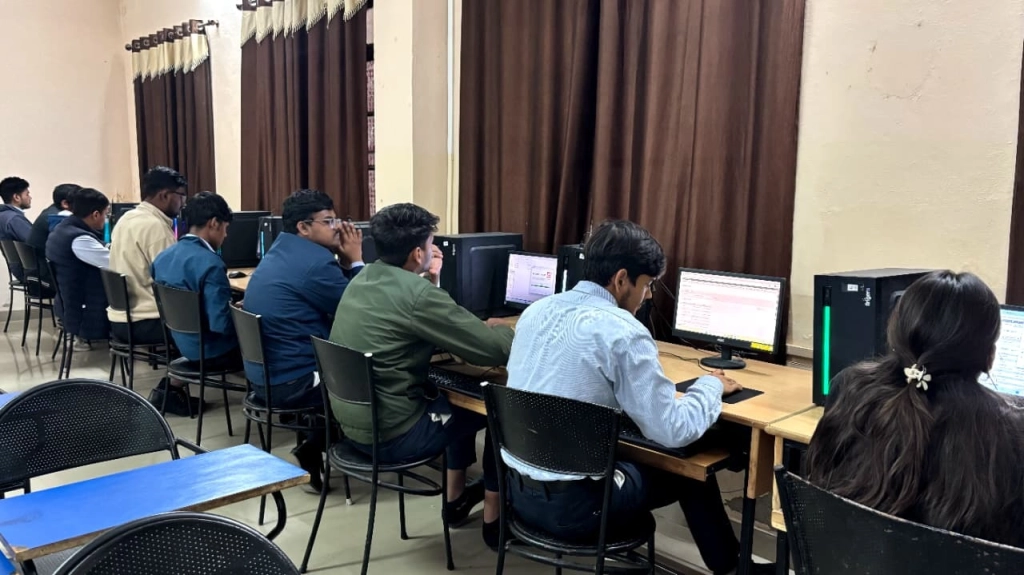
As organizers refined their strategies, certain patterns of success began to emerge across different campuses. Rather than focusing on occasional large – scale events, the most successful clubs gained traction through simple, repeatable activities. Regular study groups and small – scale technical workshops created a low – pressure atmosphere that encouraged students to participate at their own pace without feeling overwhelmed.
This commitment to consistency proved to be transformative. When students were able to return to familiar formats and see their skills progress from one session to the next, the clubs became much easier to maintain. This predictable routine allowed organizers to plan more effectively and enabled participants to integrate club activities into their weekly schedules more naturally than a sporadic event series would allow.
The role of student initiative has been a major catalyst for organic growth. As members began to share their own insights, help their peers, and lead their own sessions, the clubs evolved from simple learning spaces into self – sustaining communities. This shift helped students view WordPress not just as a tool for their own projects, but as a collaborative open source mission built on mutual support and shared goals.
Mentorship from the broader, experienced WordPress community has been a vital pillar of support for these campus groups. Although the clubs are led by students, they benefit immensely from the guidance of veteran community members. These mentors provide practical advice on everything from session structure to maintaining motivation, giving student leaders the confidence to experiment and grow their local organizations.
Furthermore, these mentorship programs provide a crucial link between campus activities and the global WordPress ecosystem. Students are not learning in isolation; they are shown how their local efforts connect to a massive, worldwide network of contributors. This context gives their work a deeper sense of purpose and helps them visualize a clear professional path forward within the tech industry.
Measuring the Early Impact on University Campuses
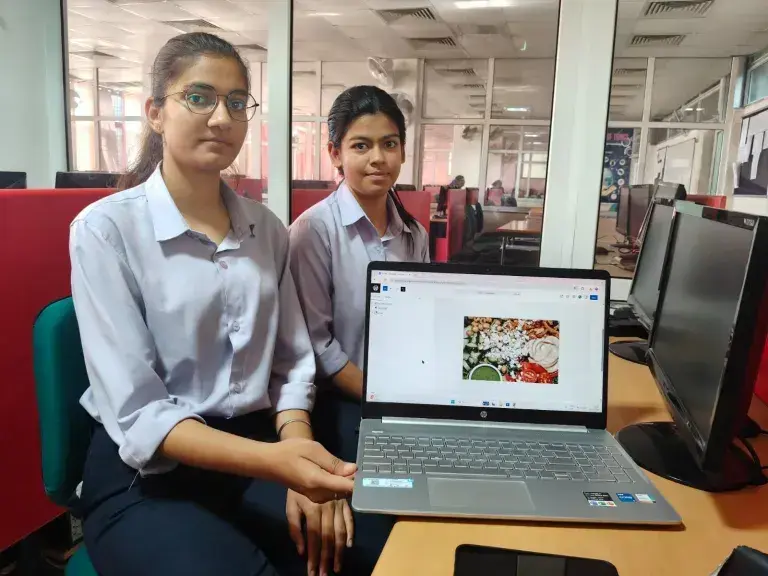
Although the student club model is still in its early stages of development, the signs of its positive impact are increasingly visible. There is a documented rise in student interest regarding how open source participation works in practice. Remarkably, many students who originally joined as beginners are now facilitating technical discussions and helping to organize the very events they once attended as learners.
This transition from passive learning to active leadership is one of the most promising indicators of success for the program. It suggests that the clubs are doing more than just raising awareness; they are actively building the confidence and leadership skills of their members. These developments are essential for ensuring a long – term pipeline of talent and new voices within the WordPress community.
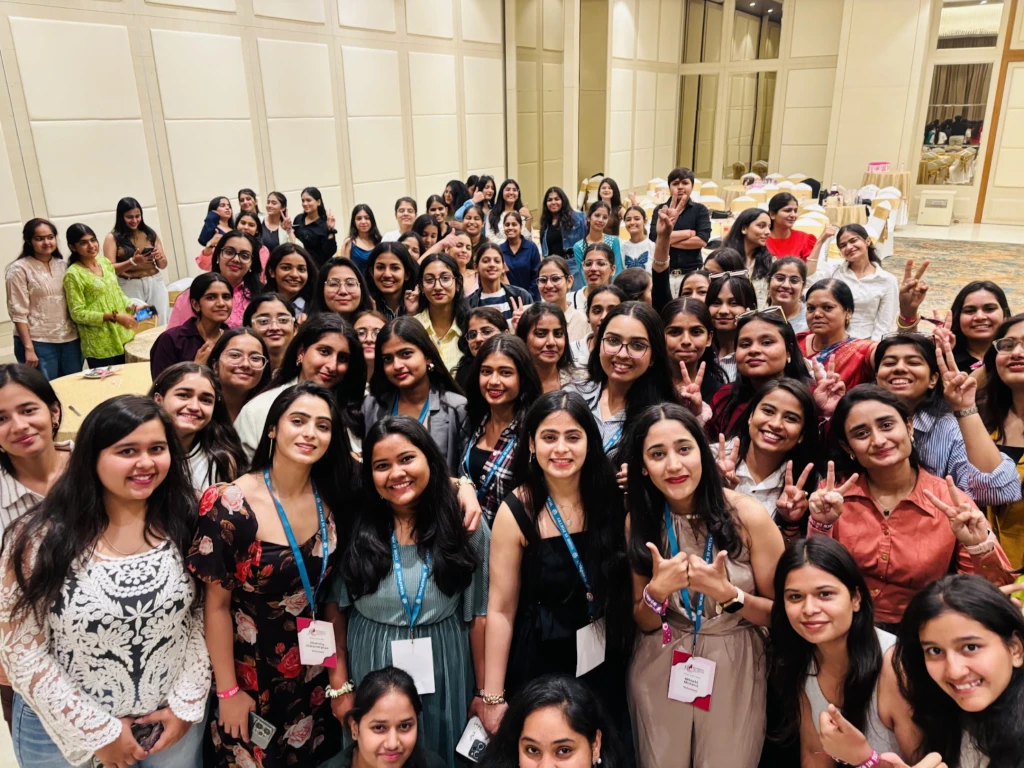
A powerful example of this engagement occurred during International Women’s Day in Ajmer, India. In a collaborative event with the local community, approximately 100 women participated, with roughly half of them representing local WordPress Student Clubs. For many of these students, it was their first opportunity to engage with the broader professional community and see open source collaboration in action on a large scale.
Success stories like the Ajmer event highlight how student – led initiatives can successfully bridge the gap between the campus and the professional world. These moments provide a platform for new contributors to find their voice. By participating in community – wide events, students gain valuable experience not just as trainees, but as active members who can help shape the future of the platform.
Leadership development remains a core benefit of the club experience. Those who take on organizational roles are learning to coordinate complex events, manage teams, and solve problems in real – time. These skills – ranging from communication to project management – are highly transferable and provide a significant advantage for students as they enter the global workforce.
“Working as a student club organizer has helped me improve my leadership and communication skills.” – Sanjivni Kumari, WordPress Student Club Organizer, Women Engineering College, Ajmer.
Looking Ahead at the Future of Campus Ecosystems
The WordPress Student Club initiative is still evolving, but its current trajectory suggests a bright future for campus – based tech communities. What began as a way to maintain interest following a workshop is maturing into a robust model for continuous collaboration. These clubs are strengthening the ties between academic institutions and the local tech scenes that will eventually employ these graduates.
The long – term value of this initiative lies in its ability to build a solid foundation for the next generation of developers and contributors. Through a combination of regular campus activities and professional mentorship, student clubs help participants gain the confidence needed to contribute to major community projects and attend professional networking events outside of their universities.
“Through regular on – campus activities led by WordPress student clubs, the real impact may become evident over the next few years as a stronger WordPress ecosystem begins to take shape on campuses.” – Anand Upadhyay, Student Club Mentor.
As students continue to take ownership of these spaces, the clubs will remain a vital gateway for learning and professional growth. For universities, they offer a sustainable method to maintain technical momentum. For the WordPress project at large, they represent an essential step toward welcoming a diverse and energetic new generation into the open source ecosystem.